This incident is known as the Iva Valley Shooting and occurred on November 18, 1949. British colonial police opened fire on unarmed miners at the Iva Valley coal mine.
The miners were striking for better wages and working conditions. They were conducting a "go-slow" strike and holding a sit-in to protest unpaid back wages and racial wage disparities. Colonial officials, concerned that the strikers might seize explosives from the mine, sent police to remove the supplies.
Even though the miners were unarmed and singing songs of solidarity, British Senior Superintendent of Police Captain F.S. Philip ordered his officers to fire after apparently feeling threatened by the large crowd. Most victims were shot in the back while trying to escape. In total, 21 miners were killed and 51 others were injured.
This event became a turning point for Nigeria's independence movement. It energized the radical Zikist nationalist movement and united labor unions against British colonial rule.
In a significant ruling in February 2026, the Enugu State High Court found the British government responsible for the massacre. Justice Anthony Onovo ordered the UK government to pay £420 million ($572 million) in damages, giving £20 million to each of the 21 families.
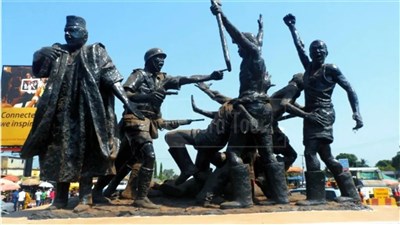 The miners are remembered as martyrs in Nigerian labor history. A monument at New Market Roundabout in Enugu honors their memory. The tragedy also inspired the classic highlife song "Onuigbo" by Chief Dr. Stephen Osita Osadebe.