Chief Nwiboko Obodo (c. 1893–1959) was a prominent and contentious figure who served as a Warrant Chief during the British colonial administration in the Abakaliki region, which is now part of Ebonyi State, Nigeria.
His legacy is closely tied to his leadership of the Odozi Obodo Society, a secretive and infamous cult active in the mid-1950s. Appointed a Warrant Chief around 1928, Obodo held significant administrative and judicial authority over the Izzi clan.
He spearheaded the creation of the Odozi Obodo Society, claiming its mission was to combat societal crimes such as theft and adultery. However, the group quickly gained notoriety for its violent activities, including large-scale extortion, terror, and murder.
Following allegations of multiple homicides and the discovery of human remains within his residence, Obodo was arrested in February 1958 and subsequently sentenced to death. He was executed by hanging on February 24, 1959, in Enugu.
Initially established with seemingly noble intentions, the Odozi Obodo Society devolved into a brutal organization that exploited its stated goals to justify its criminal actions. The group’s members amassed wealth by intimidating locals and manipulating villagers into joining their ranks. Chief Obodo compounded his influence by paying colonial taxes on behalf of villagers, only to demand exorbitant repayments later. Those unable to repay would have their farms and livestock confiscated. The group has been implicated in an estimated 100 to 400 murders, with reports of individuals vanishing en route to markets or farms. Human remains, buried en masse, were uncovered behind the residences of cult leaders.
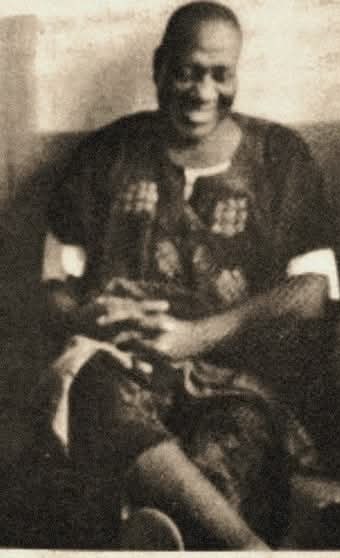 The turning point for the cult came with the disappearance of Obodo’s wife, Nwagbo Igbeagu, in 1957. Investigators from the Central Criminal Investigation Department (CID) in Lagos and Northern Nigeria infiltrated the society by posing as herbalists. As part of their operation, undercover detectives presented Obodo with what he believed was a mystical charm; in reality, it contained a hidden recording device. Misled into believing the charm would make him immune to police detection, Obodo confessed to murdering his wife while wearing the device. A subsequent raid on his home unearthed incriminating evidence including ropes, leg irons, weapons, and human remains. By May 1958, Obodo and several associates had appeared before the Abakaliki Magistrate Court to face charges.
In an unprecedented turn of events, Governor Francis Nwifuru of Ebonyi State was said to have granted Chief Obodo a posthumous state pardon during his January 1, 2026 New Year broadcast. The decision, exercised under Section 212 of the 1999 Constitution (as amended), aimed to restore dignity to Obodo's memory and foster reconciliation within the affected community. He was one of five deceased individuals granted such pardons alongside others like Edigbo Agu, Akponwe Ogalegu, Ugadu Ofim, and Nwangbo Idoko. Governor Nwifuru explained that this move symbolized a call for forgiveness and healing as Ebonyians embraced the year 2026. He emphasized the importance of balancing justice with humanity and highlighted this posthumous gesture as a step toward closing painful chapters in the community’s history.